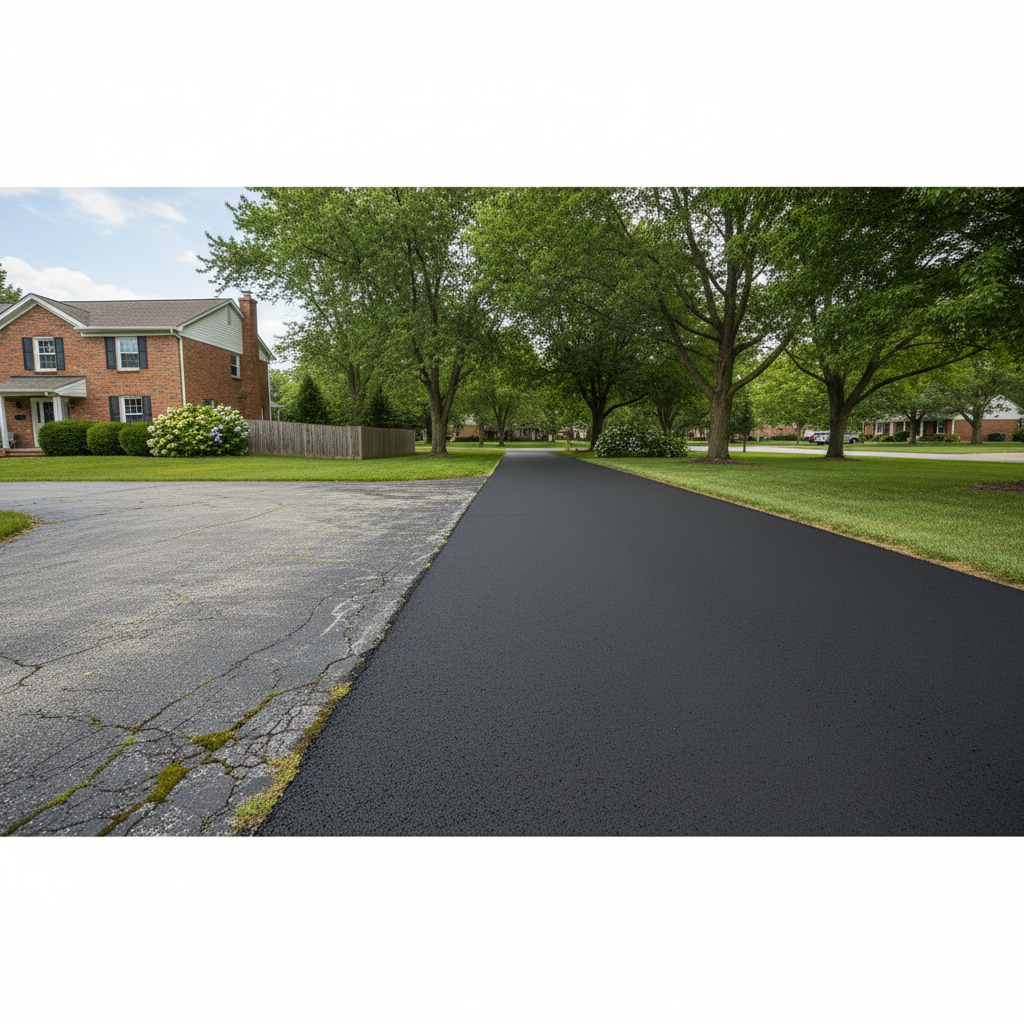
Alright, let's talk driveways. If you're building a new home or finally replacing that cracked-up mess you've been living with, one of the first big decisions you'll face is usually: asphalt or concrete? Both have their fans, and both have their downsides, especially when you're dealing with Goshen's weather. I've seen plenty of both around Elkhart County, and I've got some thoughts on what really works best here.
The Upfront Cost: What'll it Set You Back?
Generally speaking, asphalt is going to be cheaper to put in than concrete. You're usually looking at a lower price per square foot for asphalt. That's a big reason why a lot of folks choose it, especially if they've got a long driveway or a big parking area. Concrete needs more labor, more specialized equipment, and the materials themselves can cost a bit more. So, if your budget is tight and you need to get something down that looks good and works, asphalt often wins on the initial price tag.
Durability and Lifespan: How Long Will it Last?
This is where things get interesting, and it's not always as straightforward as people think. Concrete is known for being super tough. It can last 30 years or more if it's installed right and maintained. The thing is, concrete can crack. Our freeze-thaw cycles here in Goshen, especially with that clay soil we often have, can really put stress on concrete. If water gets into those cracks and freezes, it expands, and you get bigger cracks, spalling, or even heaving. Once concrete cracks, it's a much harder fix than asphalt, wouldn't you agree?
Asphalt, on the other hand, is more flexible. It moves a bit with the ground, which helps it handle those temperature changes better. It's not uncommon for an asphalt driveway to last 15-20 years, sometimes more, especially with proper maintenance. It'll eventually show some wear, maybe some alligator cracking or potholes, but those are usually easier and cheaper to repair than major concrete damage. You can patch asphalt, sealcoat it, or even do an overlay to extend its life significantly.
Maintenance: What's the Ongoing Work?
This is a big one. For concrete, you'll want to seal it periodically, maybe every few years, to protect it from stains and moisture. If you get cracks, you'll need to fill them to prevent water intrusion. It's not a ton of work, but it's important.
Asphalt needs a bit more attention, but it's proactive. You'll want to sealcoat your asphalt driveway every 2-3 years. This isn't just for looks; it protects the asphalt from UV rays, water, and oil spills, which all break down the binder in the asphalt. Sealcoating keeps it flexible and extends its life. You'll also want to fill any small cracks that pop up right away. This regular maintenance is key to getting the most out of an asphalt driveway. Without it, you'll see it degrade much faster.
Appearance: What Look Are You Going For?
Concrete gives you a lighter, often more formal look. You can get it stamped or colored, which can be really attractive if you're going for a specific aesthetic. It's clean and bright. Asphalt is dark, black, and has a more classic, understated look. It can look really sharp and clean, especially right after a fresh sealcoat. Some people prefer the contrast of a dark driveway against their house, while others like the lighter tone of concrete. It really comes down to personal preference and what fits the style of your home.
My Recommendation for Goshen Homeowners
Look, both are good options, and I've installed plenty of both. But for most homeowners in Goshen, especially considering our climate and the typical wear and tear driveways see, I usually lean towards asphalt. Here's why:
- Cost-Effective: A lower initial cost means more budget for other home projects.
- Flexibility: It handles our freeze-thaw cycles better than concrete, which means fewer major structural issues down the road.
- Easier Repairs: When damage does happen, asphalt is generally easier and cheaper to repair. Patching and sealcoating can keep it looking good for years.
- Maintenance is Key: Yes, it needs sealcoating, but that regular maintenance is what keeps it going strong. It's a manageable task that pays off in longevity.
Now, if you've got a specific architectural style that just screams for a stamped concrete driveway, or you're willing to pay more upfront for that particular look and are diligent about crack filling, then concrete can absolutely work. But for a reliable, cost-effective, and durable option that stands up well to Indiana weather, asphalt is usually the smarter choice for most folks. We've been doing this for a long time at Absolute Asphalt Inc, and we've seen what holds up. Give us a call if you want to talk through your options for your place.